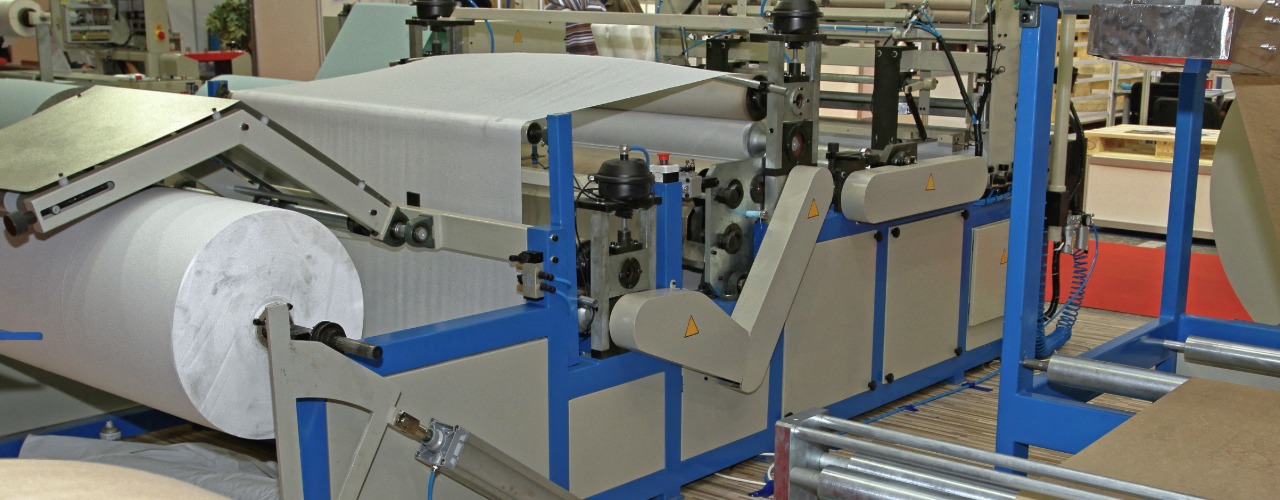

Paper converting relies on speed, precision, and consistent quality. Even a minor slowdown at one stage can disrupt production schedules, increase labor costs, and cause unnecessary material loss throughout the rest of the line.
Improving efficiency doesn’t always require a complete equipment overhaul. Converters can often achieve meaningful gains by refining workflows, maintaining machinery, training operators, and paying closer attention to how materials flow through production. Check out these ways to improve efficiency in paper converting.
Review the Workflow
Start by reviewing every step in the conversion process, from material loading to finished-product handling. Watch for recurring delays, excessive movement, long changeovers, and tasks that force operators to halt production.
A detailed workflow review can reveal problems that employees have learned to work around every day. Correcting those small inefficiencies can increase output without forcing equipment to run beyond its intended operating range.
Focus on the sequence of tasks as well. When operators prepare materials, tools, and production information before a machine stops, they can shorten downtime between jobs.
Reduce Material Waste
Many paper-converting operations want to reduce waste because discarded material affects both production costs and overall output. Excess trim, damaged rolls, setup sheets, and rejected finished products all consume resources without generating revenue.
Operators can reduce waste by monitoring cutting accuracy, web tension, alignment, and roll handling. Consistent settings help prevent defects that would otherwise force teams to scrap material or repeat a production run.
Track waste by job, machine, material, and shift whenever possible. Specific records help managers identify patterns and address the source rather than treating every scrap increase as an isolated problem.
Improve Changeovers
Frequent changeovers can consume a large share of available production time, especially when teams switch among many product sizes or paper grades. A structured approach can help operators complete each transition more quickly without rushing important setup tasks.
Prepare replacement blades, cores, rolls, tools, and job specifications before the current run ends. Operators can then begin the next setup as soon as the machine becomes available instead of searching for supplies after production stops.
Standardize common changeover steps across shifts. When everyone follows the same efficient sequence, teams can reduce variation and create more predictable production schedules.
Maintain Cutting Equipment
Sharp, properly adjusted cutting components support clean results and steady production speeds. Dull knives, worn slitters, and poorly aligned blades can create ragged edges, dust, jams, and rejected products.
Follow a maintenance schedule based on operating hours, material type, and equipment requirements. Regular inspections help technicians replace worn components before those parts create a larger production problem.
Operators should also report changes in cut quality as soon as they notice them. Early attention can prevent a minor blade issue from affecting an entire roll or finished batch.
Control Web Tension
Web tension influences how smoothly paper travels through converting equipment. Incorrect tension can cause wrinkles, breaks, registration problems, telescoping rolls, and uneven winding.
Set tension according to the paper grade, thickness, machine speed, and finished-product requirements. Operators should avoid relying on one standard setting for every material because different papers respond differently under load.
Check tension during production instead of focusing only on startup settings. Roll diameter and operating conditions can change throughout a run, so consistent monitoring helps keep the web stable from beginning to end.
Organize Materials
Poor material organization creates delays before production even begins. Employees lose valuable time when they need to search for rolls, cores, packaging supplies, tooling, or job documents.
Store frequently used materials close to the equipment that requires them. Clear labels and assigned storage locations can also help operators find what they need without interrupting other workers.
Plan roll movement carefully as well. Moving heavy paper rolls takes time and equipment, so efficient staging can reduce forklift traffic and keep upcoming jobs close to the production line.
Use Production Data
Production data can turn small observations into practical improvements. Managers can track output, downtime, setup duration, scrap rates, machine speed, and other measurements that reveal how effectively each line operates.
Avoid collecting numbers without a clear purpose. Choose measurements that connect directly to production goals, then review them often enough to spot changes before they become long-term problems.
Compare similar jobs under similar conditions when evaluating performance. That approach gives teams a more useful benchmark than comparing products that require completely different materials, setups, or processing speeds.
Train Operators Thoroughly
Experienced operators often recognize changes in machine behavior before a serious problem develops. Strong training helps employees understand what normal operation looks and sounds like, which makes unusual conditions easier to identify.
Teach operators how changes in paper grade, moisture, tension, tooling, and machine speed affect production. Deeper equipment knowledge allows employees to make thoughtful adjustments instead of relying on trial and error.
Cross-training can also improve scheduling flexibility. When more employees understand multiple machines or processes, supervisors can shift labor where production needs it most.
Prevent Unplanned Downtime
Unexpected equipment failures can quickly disrupt schedules. Preventive maintenance gives teams more control by allowing them to service equipment during planned production breaks rather than reacting to breakdowns.
Inspect bearings, rollers, motors, belts, sensors, controls, blades, and other critical components in accordance with the manufacturer’s recommendations. Maintain maintenance records so technicians can identify recurring failures and replace components before they cause another interruption.
Good housekeeping also supports equipment reliability. Paper dust, adhesive residue, scraps, and debris can interfere with sensors or moving components, so regular cleaning should remain part of daily production routines.
Improve Quality Control
Efficient production loses its value when quality problems create rework or rejected shipments. Teams should check critical product specifications early enough to correct deviations before large amounts of material move through the line.
Verify dimensions, cut quality, winding, registration, adhesion, and other job-specific requirements at appropriate intervals. Operators can then adjust the process while the run continues instead of discovering the problem after completion.
Clear quality standards also help employees make faster decisions. When everyone understands acceptable tolerances, operators spend less time debating whether a product meets customer requirements.
Strengthen Communication
Production efficiency depends on clear communication between operators, maintenance teams, supervisors, material handlers, and quality personnel. Missing information can cause incorrect setups, delayed repairs, and unnecessary machine stops.
Share job requirements before production starts, including material specifications, quantities, dimensions, packaging instructions, and any unusual processing needs. Operators can prepare for the run instead of discovering special requirements after setup.
Shift changes deserve equal attention. A brief handoff can alert incoming employees to equipment concerns, material changes, quality issues, or unfinished tasks that could otherwise cause confusion.
Keep Improving
Paper converting efficiency comes from dozens of connected decisions rather than one dramatic change. Better setups, cleaner equipment, sharper tooling, organized materials, trained operators, and useful production data can all contribute to faster and more consistent output.
Treat improvement as an ongoing production habit instead of a one-time project. When teams regularly review their processes and correct sources of delay or waste, they can increase productivity while protecting product quality and controlling operating costs.