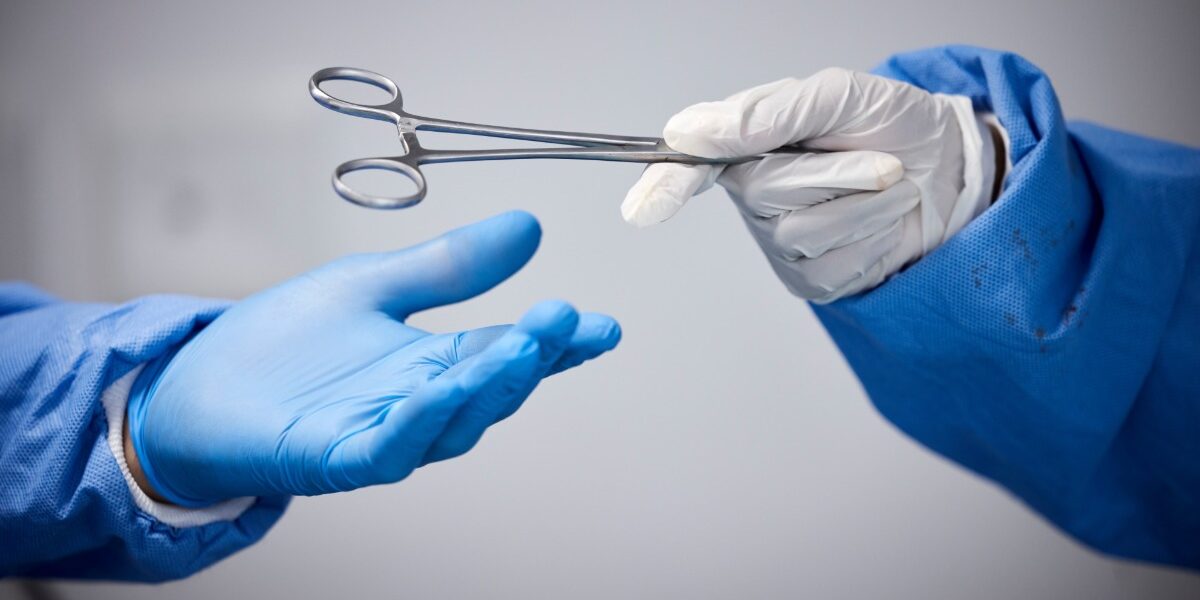

Reusable medical tools support daily patient care in clinics, exam rooms, and specialty practices. When teams maintain them properly, these instruments can deliver dependable performance across many cleaning and sterilization cycles. Over time, however, repeated use can change how a tool looks, feels, or functions.
Small signs of wear can grow into larger problems on reusable medical tools if staff members overlook them. A stiff hinge can slow a procedure. A scratched surface can become harder to clean thoroughly. A loose connection can make an instrument less predictable during use. Regular inspection helps clinical teams catch these changes before they interfere with patient care or workflow.
Watch for Surface Damage
Start each inspection by closely examining the tool’s surface. Scratches, gouges, chips, and rough patches can develop from routine handling or contact with other instruments. Even small defects deserve attention because they can affect how easily staff members clean the surface.
Polished tools should maintain a smooth, consistent finish. If you notice sharp edges or damaged coatings, remove the instrument from regular use until someone evaluates it. Surface damage can worsen with repeated processing, especially when cleaners reach exposed areas beneath a protective finish.
Pay attention to areas that receive frequent contact during procedures. Handles and tips often show wear first because staff members touch or move them most often.
Look for Corrosion
Corrosion often begins as a small stain or spot, so teams should inspect reusable tools in good lighting. Rust-colored marks or dark discoloration can indicate a breakdown of the metal surface. Pitting can be another warning sign. Water quality and harsh chemicals can contribute to corrosion, while incomplete drying can create additional problems.
Don’t assume every mark will disappear during the next cleaning cycle. If discoloration persists after approved cleaning, the instrument may need closer evaluation. Pitting warrants particular concern because tiny depressions can trap debris and make cleaning more difficult.
Clinics can reduce corrosion risk by following the manufacturer’s care instructions closely. Proper rinsing and complete drying also help protect metal tools from unnecessary wear.
Test Hinges and Moving Parts
Reusable instruments with hinges, locks, screws, or sliding components need smooth movement. A tool that once opened easily may start to feel stiff. Another instrument may become loose and move farther than intended.
Check movement before the tool enters a procedure room. Open and close hinged instruments several times, and pay attention to resistance or uneven motion. If a joint sticks or catches, staff members shouldn’t force the tool back into service.
Lubrication may help certain instruments when the manufacturer recommends it. However, recurring stiffness or looseness can signal wear that maintenance alone can’t correct.
Check Alignment
Alignment plays a major role in how many reusable tools function. Tips should meet correctly, and handles should close as designed. Paired surfaces should also line up without extra pressure. Misalignment can reduce control and make routine tasks more difficult.
Repeated use can bend thin components or shift connected parts. Dropping an instrument can also change its shape even when the damage looks minor. Compare questionable tools with a known good instrument when possible.
A reusable speculum offers a familiar example. If the blades no longer align properly or the hinge begins to bind, the instrument may no longer function reliably. A weak locking mechanism can create another concern. In these situations, it may be time to replace your vaginal speculum rather than continue using a tool that no longer performs as intended.
Notice Changes in Grip
Handles can reveal wear before the working end of an instrument shows visible damage. Textured grips may become smooth over time. Silicone sections can crack or loosen. Finger rings may also develop rough areas that feel uncomfortable during repeated use.
A secure grip supports precise movement. If staff members need to squeeze harder or adjust their hands repeatedly, the tool may no longer offer the same level of control.
Ask regular users to report changes instead of waiting for a scheduled inspection. Clinicians often notice subtle differences in how an instrument balances or moves because they work with the same tools every day.
Inspect Locks and Ratchets
Locks and ratchets should hold their position without slipping. When teeth wear down or connected pieces loosen, an instrument may release unexpectedly. Even slight slipping can interrupt a procedure and force a clinician to reposition the tool.
Test each locking position during inspection. The mechanism should engage cleanly and release without excessive force. A lock that only works at certain angles or needs extra pressure deserves attention.
Don’t try to compensate for a weak locking mechanism through technique. The instrument should provide consistent mechanical performance without special handling.
Watch for Cracks
Cracks can appear in plastic or silicone components, and metal parts can also develop fractures. Some cracks stand out immediately. Others appear as thin lines around stress points or joints. Flexible parts may split after repeated exposure to heat or cleaning chemicals.
Inspect high-stress areas closely. Bends and connection points can show early signs of failure, especially on narrow components. If a part flexes more than it used to, examine the instrument before the next use.
Cracked tools can lose strength quickly. Replacement often offers a better option than continued use because small fractures can expand without much warning.
Evaluate Labels and Markings
Reusable tools often include size markings, measurement lines, product identification, or other information that helps staff choose the correct instrument. Repeated cleaning can fade those markings over time.
If staff members can’t read a size or measurement clearly, they may grab the wrong tool or pause during setup. Faded identification can also complicate inventory tracking.
Inspect markings during routine checks instead of focusing only on the tool’s physical structure. Clear labels support efficient preparation and accurate selection.
Pay Attention After Sterilization
Cleaning and sterilization cycles can reveal hidden wear. An instrument may look fine before processing but develop spotting or stiffness afterward. Discoloration that appears after processing can also indicate material breakdown or a care issue.
Review how tools respond over several cycles. If one instrument begins showing repeated changes while similar tools remain stable, remove it for evaluation. The problem may involve that specific tool rather than the overall process.
Teams should also follow manufacturer instructions for compatible cleaning agents and sterilization methods. Using the wrong process can shorten an instrument’s service life.
Create a Consistent Inspection Routine
A strong inspection routine gives staff a clear way to identify wear before a tool reaches the patient. Clinics can build checks into cleaning or sterilization procedures. Teams can also include inspection during room setup or inventory management. The best approach fits naturally into the existing workflow.
Staff members should know which signs call for removing a tool from service. Clear expectations reduce guesswork when someone finds a damaged surface or weak lock. Loose hinges should prompt the same level of attention.
Keep repair and replacement decisions consistent as well. Some instruments support authorized servicing, while others need full replacement. Manufacturer guidance can help teams choose the right response.
Protect Performance Over Time
Reusable medical tools can serve a practice well for a long time if you pay attention to the signs of wear. Daily use and repeated processing gradually alter some instruments. Accidental damage can shorten their useful life even further. Regular inspection helps teams spot those changes before they cause avoidable problems.
A careful inspection habit supports smoother procedures and more reliable equipment management. When clinical teams recognize wear early, they can keep reusable tools working as intended and make replacement decisions with greater confidence.