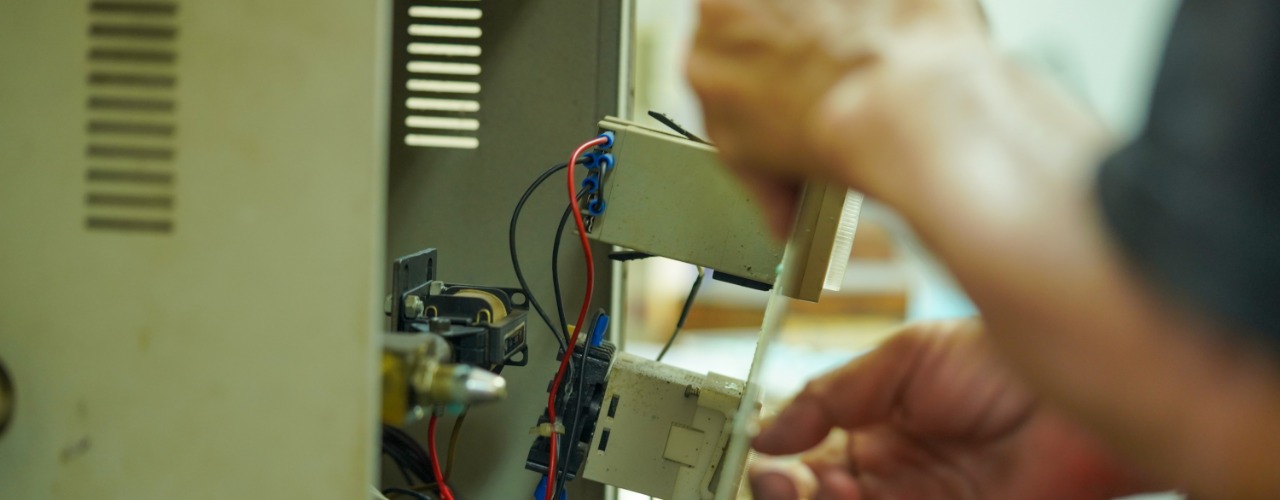

An electrical problem can sideline a work truck or piece of farm equipment even when the cause is a single damaged wire. Finding that wire may take longer than fixing it, especially when it concerns crowded, poorly marked, or difficult to reach wiring.
In Western Wyoming and Eastern Idaho, dependable equipment matters through cold winters, muddy spring conditions, and demanding agricultural seasons. Better wire harness design simplifies repairs by helping technicians trace faults and complete repairs with less unnecessary disassembly.
What Makes a Harness Easier to Repair?
A wire harness bundles conductors that deliver power and signals between components. Harnesses connect sensors, lights, controls, and other systems in vehicles and machinery. How manufacturers arrange those wires determines how readily a technician can inspect them.
An organized harness follows predictable routes, separates vulnerable circuits where necessary, and uses identifiers that match service documentation. Without that structure, technicians may spend valuable time following similar-looking wires through tight spaces.
Clear Identification Reduces Guesswork
Wire colors provide useful clues, but dirt, fading, or repeated colors can make them unreliable. Alphanumeric identifiers give technicians a second way to distinguish circuits.
A technician investigating a faulty sensor, for example, can compare a marked wire with the wiring diagram instead of tracing every conductor from end to end. This works best when the marking remains legible after years of service.
Small-diameter wires leave little room for text. Manufacturers must balance character size, spacing, and contrast with the properties of the insulation. Guidance on alphanumeric marking for small-gauge wire illustrates why readable identification requires careful planning.
Printed sleeves, adhesive labels, and direct marking each have suitable applications. For compatible insulation, properly controlled laser marking can create identifiers without adding a separate label.
Routing Matters as Much as Labeling
A harness can have perfect labels and still fail early if its wires rub against metal, stretch around moving parts, or sit too close to heat.
Manufacturers reduce these risks by planning routes with enough clearance and securing wires against excessive movement. Protective sleeves or conduit help where abrasion is a concern. Near high-temperature components, suitable insulation and shielding become more important.
Western Weather Adds Stress
Road treatments, moisture, and freeze-thaw conditions can affect electrical connections. Rough roads introduce vibration, while farm equipment encounters dust, mud, and frequent movement.
These conditions make placement and protection especially relevant locally. A connector mounted where water collects may corrode, while a loosely supported harness can wear through its outer covering.
Good routing cannot prevent every problem. It can, however, reduce exposure to predictable sources of damage and make wear easier to spot during inspections.
Leave Room for Inspection
Technicians also need access to wiring without dismantling unrelated components. Harnesses tucked behind panels or tightly packed machinery can turn straightforward tests into lengthy jobs.
Designers should balance service access with environmental protection. An exposed connector may be easy to reach but vulnerable to road spray. A protected location with sufficient working space offers a more practical compromise.
Connector Choices Influence Repair Time
Connector choice is a key part of better wire design to simplify repairs. A connector allows technicians to disconnect or test a circuit at a defined point. Clear connector identification and accessible placement can make diagnosis more efficient.
Keyed connector housings help prevent accidental mismatches, while effective seals protect contacts from contamination. Locking mechanisms must remain secure under vibration but still allow service with the recommended tools.
Modular Sections Can Simplify Replacement
Some machines use separate harness sections for attachments or certain equipment systems. When a section suffers damage, technicians can sometimes replace it without removing the main assembly.
For example, an independently replaceable wiring section on an agricultural attachment could limit the scope of a repair. The benefit depends on the design of the connections and the availability of replacement parts.
Modularity also adds connection points, which require sound sealing and maintenance. More connectors are not automatically better; their value depends on location and reliability.
Why Intermittent Faults Are Hard To Find
Not every electrical failure produces a permanent loss of power. A worn wire may make contact in one position and lose it when a machine vibrates. Corrosion can also produce inconsistent signals that confuse diagnosis.
A clearly routed harness lets a technician focus on likely stress points and inspect connections without disturbing unrelated circuits. Identifiers help confirm the correct wire before testing. This matters because probing the wrong circuit can create new damage or misleading results.
Good Documentation Completes the Design
Even tidy wiring becomes difficult to diagnose when diagrams are missing or no longer match the machine.
Service documentation should identify wire numbers, connector locations, and circuit paths. Technicians can then compare measurements with the electrical layout plan rather than relying on assumptions.
Consistency Prevents Mistakes
Manufacturers can make repairs easier by using clear, consistent identification across connectors and wiring diagrams. Distinct connector shapes and sensible circuit groupings also reduce confusion during reassembly.
Technicians should verify each connection against the appropriate service information before restoring power. A label helps, but it does not replace electrical testing or repair procedures.
How Owners Can Protect Their Wiring
Equipment owners cannot redesign factory harnesses, but routine checks can reveal damage before it develops into a breakdown.
Inspect Exposed Areas
Look for cracked insulation, loose clips, or wires rubbing against brackets. Check accessible sections near moving parts and places that face road spray. Avoid pulling a harness out of position simply to inspect it; its original route may provide important clearance.
Watch for Connection Problems
Moisture and corrosion can interfere with electrical contact. Follow the manufacturer’s guidance when inspecting or cleaning connectors, and replace seals with compatible parts. Improvised repairs may compromise a connection’s protection.
Keep Repair Records
Retain wiring diagrams and document approved electrical modifications. If a technician replaces a harness section, recording the part and circuit involved helps the next person diagnose a problem more quickly.
Electrical work requires appropriate precautions. Disconnect power as the service manual specifies, and leave high-voltage or safety-critical systems to qualified professionals.
Consider Serviceability When Buying Equipment
Repair access may not appear on a specification sheet, but buyers can still ask practical questions. Are wiring diagrams available? Can a technician reach common service connectors? Does the manufacturer supply replacement harness sections for attachments?
These questions matter for used equipment as well. Previous repairs may have introduced splices, changed routing, or removed labels. A qualified inspection can identify questionable wiring before a purchase leads to expensive troubleshooting.
Easier Repairs Start With Better Planning
Clear wire markings, protected routes, accessible connections, and accurate diagrams all help technicians understand an electrical system. When a fault develops, these features can reduce needless searching and limit disassembly.
For residents and businesses across Western Wyoming and Eastern Idaho, shorter repair delays can mean more dependable transportation and less disruption to seasonal work. Well-planned wire harness design cannot eliminate electrical failures, but it can make those failures easier to locate and address.