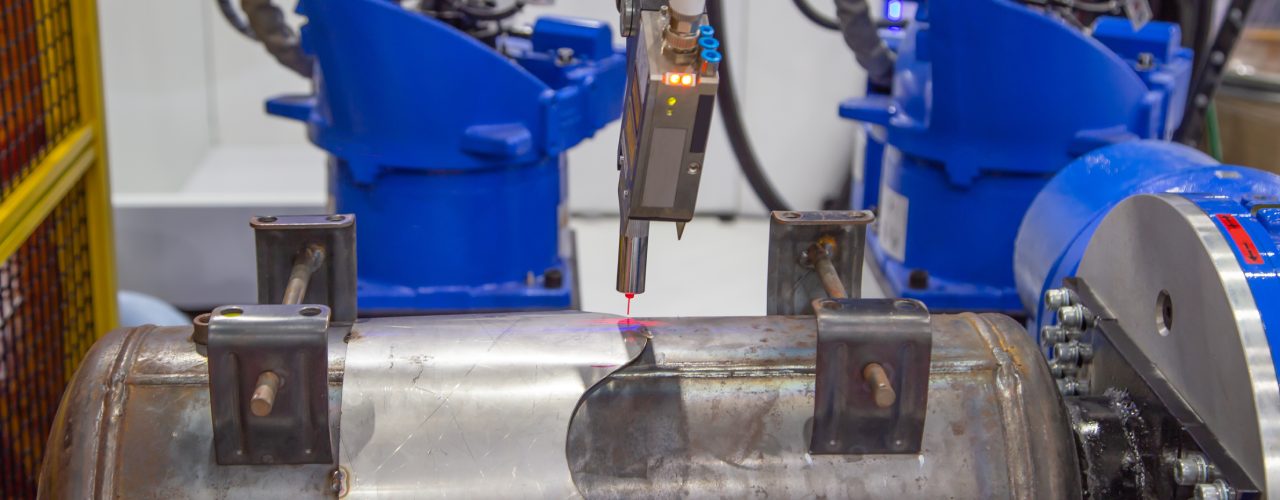

Once components move beyond a modest inspection envelope, familiar routines begin to break down in less obvious ways. Metrology problems that grow with larger parts tend to develop from accumulated changes in conditions and longer measurement paths. Larger workpieces demand tighter alignment control because even minor deviations can propagate across a much larger geometry. Hence, why accuracy becomes harder to protect from the first setup through final verification.
Setup Error Expands With Size
A small offset at the beginning of an inspection can become a major dimensional issue as the part spans a wider area. Datum structures become harder to maintain consistency during repositioning or at multiple stations. Every additional move creates another chance for drift, notably when heavy parts do not settle the same way twice. Therefore, repeatability depends on process discipline just as much as instrument performance.
Environmental Variation Carries More Weight
Temperature, floor vibration, and surrounding activity can affect large-part measurements. Material growth with distance makes thermal change especially important, as a slight shift can alter results throughout the inspection volume. Air movement and equipment traffic may also influence readings that would seem stable on smaller components. For that reason, environmental control becomes part of the measurement strategy and not just a background concern.
Access Challenges Limit Measurement Strategy
Larger parts rarely provide clean access to all required features, primarily when tooling or structural members block ideal paths. Contact inspection may become too slow, while noncontact methods can struggle when the line of sight is interrupted or when targets are difficult to maintain. In aerospace structures and other industries that require laser-tracking tooling, measurement is more reliable when the method is well-suited to the part’s scale and physical constraints. Better coverage usually comes from adapting the workflow to the geometry instead of forcing the geometry into a smaller-part routine.
Part Behavior Changes During Inspection
Large parts don’t always remain perfectly stable during lifting and assembly. A component can shift under its own weight or settle over the course of a longer inspection cycle. Measured geometry may reflect handling conditions as much as the manufactured condition itself. Strong inspection plans account for how the part behaves in space, not only where nominal dimensions say it should be.
Large-scale inspection leaves very little room for lazy assumptions or borrowed routines from smaller work. Metrology problems that grow with larger parts force a sharper standard for how processes are sustained across production. The difference usually shows up in whether the measurement can keep pace with the part, rather than reacting after variation has already spread. When that balance is handled well, size stops being the excuse for avoidable uncertainty.