
Concrete walls appear in garages, shops, basements, barns, and utility spaces throughout Western Wyoming and Eastern Idaho. They make strong mounting surfaces, but only when the anchor, drill bit, and load all match the job.
Anyone hanging shelves, tool racks, hose reels, brackets, or outdoor gear should start by using safer ways to anchor gear to concrete walls before picking up a drill.
Know What the Wall Can Handle
Concrete strength varies with age, thickness, aggregate type, moisture exposure, and condition. A newer poured wall may hold hardware differently than an older block wall or a patched foundation surface. Before drilling, check for cracks, crumbling edges, water damage, or hollow spots.
Gear weight also matters. A lightweight cord holder needs less support than a wall-mounted cabinet or heavy rack. When a mounted item will carry a changing weight, choose anchors rated above the expected load. Manufacturer ratings give useful guidance, but clean installation still matters.
Match the Anchor to the Job
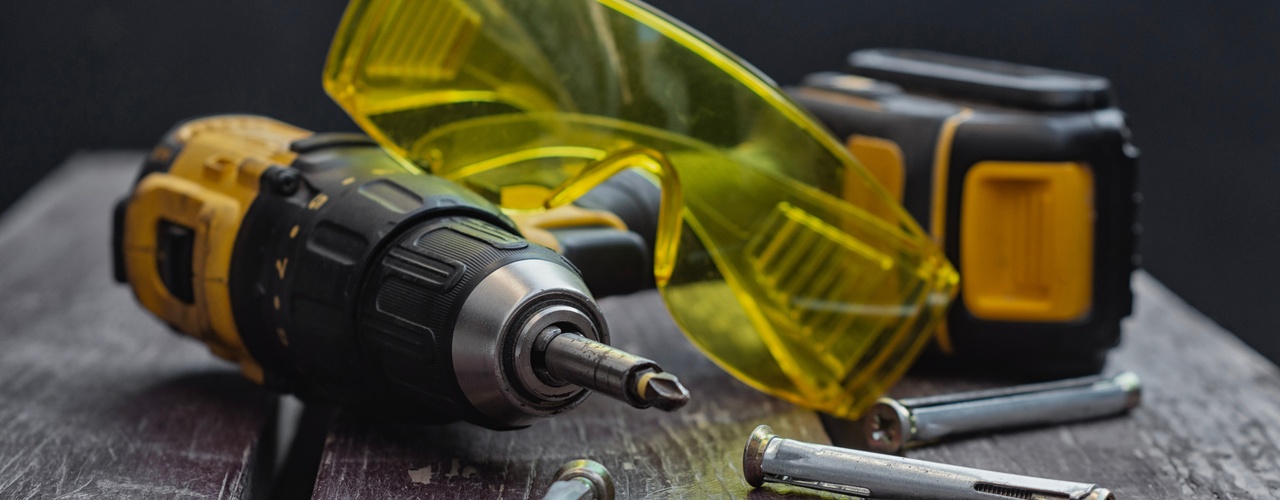
Different anchors serve different purposes. Plastic plugs may work for light-duty items. Sleeve anchors, wedge anchors, and concrete screws can support heavier fixtures when the wall is suitable for the hardware.
A good fit depends on:
- Wall type and condition
- Gear weight
- Hole diameter and depth
- Indoor or outdoor exposure
Outdoor spaces near snow, freeze-thaw cycles, and moisture need hardware that resists corrosion. Galvanized or stainless options may make sense for garages, barns, and exterior walls.
Drill Clean Holes With the Right Bit
The drill bit affects the whole installation. A masonry bit should match the anchor size, and a hammer drill can help with harder concrete. Too much pressure, the wrong drill speed, or a dull bit can damage the hole and weaken the anchor’s grip.
Dust also causes problems. After drilling, remove debris with a vacuum, brush, or compressed air. A clean hole helps the anchor seat properly and reduces wobble.
Property owners who drill into concrete regularly should understand common masonry drill bit breakages, as broken bits can indicate poor technique, worn tools, or mismatched materials. Preventing bit damage also helps create cleaner holes for safer mounting.
Check Placement Before Drilling
Careful placement prevents weak anchors and costly patchwork. Keep holes away from wall edges, cracks, mortar joints, and areas of visible damage. Use a level, mark the holes clearly, and measure twice before drilling.
For heavier gear, spread the load across multiple anchors when the hardware allows it. Avoid over-tightening, as excessive torque can strip the hole or crack the surrounding concrete.
Plan for Weather and Daily Use
Western Wyoming and Eastern Idaho see cold weather, moisture, mud, dust, and seasonal storage demands. Gear mounted in garages, shops, and outbuildings may face more stress than indoor fixtures. Snow tools, hunting gear, fishing equipment, and workshop racks all need anchors that can handle regular pulling and shifting.
Inspect the mounted gear a few times a year. Tighten loose hardware, watch for rust, and repair cracks before they grow.
Strong Anchors Start With Careful Work
A secure installation does not come from force alone. It comes from matching the anchor to the wall, drilling clean holes, and checking the load before use. The safest ways to anchor gear in concrete walls help residents protect their property, avoid failed mounts, and keep hard-working spaces ready for daily use.