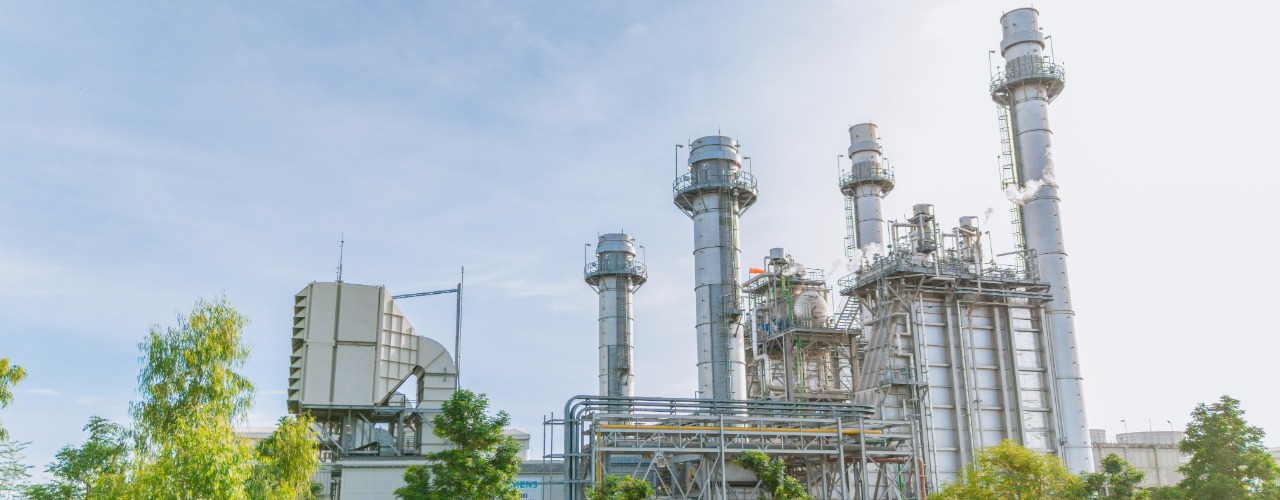

Natural gas plays an important role in energy production, supporting electricity generation, industrial processes, and everyday heating needs. However, extracting, processing, and transporting natural gas involves complex equipment, demanding operating conditions, and potential safety hazards. Maintaining reliable production while protecting workers, equipment, and surrounding communities requires careful planning and consistent oversight.
For operators, balancing safety and efficiency in natural gas operations means improving productivity without compromising on essential safeguards. Rather than treating safety procedures as obstacles to production, facilities can integrate risk management into daily operations. From preventive maintenance to workforce training, several practical strategies help natural gas facilities maintain consistent performance while reducing operational risks.
Prioritize Preventive Equipment Maintenance
Equipment reliability is one of the most important factors affecting safety and productivity in natural gas operations. Compressors, pipelines, valves, and processing equipment operate under demanding conditions, making regular inspections and maintenance essential. When equipment deteriorates, operators may experience unexpected shutdowns, reduced processing capacity, or hazardous operating conditions.
Preventive maintenance helps identify potential problems before they escalate into costly failures. Regularly inspecting mechanical components, monitoring operating temperatures and pressure levels, and replacing worn parts can extend equipment life while reducing operational disruptions. Maintaining accurate service records also allows operators to recognize recurring problems and schedule necessary repairs.
Maintenance planning is particularly important for compression equipment, which helps maintain the pressure needed to move natural gas through production and transportation systems. Understanding equipment failure patterns and implementing strategies for reducing downtime in gas compression systems can support reliable operations while reducing the likelihood of unexpected mechanical problems. Although preventive maintenance requires time and resources, identifying equipment problems early helps facilities avoid expensive repairs, prolonged shutdowns, and unnecessary safety risks.
Use Monitoring Technology To Identify Potential Hazards
Modern monitoring systems allow natural gas operators to evaluate equipment performance and detect developing problems before they become serious. Sensors installed throughout a facility can measure pressure, temperature, vibration, flow rates, and gas concentrations, providing valuable information about operating conditions.
For example, an unexpected pressure increase may indicate a restriction or control problem, while unusual vibration patterns can suggest mechanical wear in rotating equipment. Automated monitoring systems alert personnel when measurements exceed established operating limits, allowing them to investigate abnormalities before equipment damage occurs.
Depending on facility design, protective systems may also initiate shutdown procedures when dangerous conditions develop. However, technology should support rather than replace trained personnel. Operators must understand how to interpret monitoring information, investigate unusual readings, and respond appropriately. Regular testing of sensors, alarms, and protective systems is equally important to ensure these safeguards function as intended.
Establish Clear Safety Procedures
Written safety procedures provide a consistent framework for managing routine tasks and responding to unexpected situations. Natural gas facilities face hazards involving flammable gases, pressurized equipment, rotating machinery, and potentially dangerous atmospheres. Without established procedures, even routine maintenance activities can introduce risks.
Effective safety programs should address equipment isolation, gas detection, emergency shutdowns, confined-space entry, and appropriate personal protective equipment (PPE). Before maintenance begins, workers should follow applicable lockout/tagout procedures to control hazardous energy, safely relieve pressure where required, and verify that equipment is safe to service.
Emergency preparedness is another essential component of operational safety. Facilities should establish clear instructions for responding to gas leaks, fires, equipment failures, and other potentially dangerous incidents. Regular emergency drills help employees understand their responsibilities, improve communication, and identify weaknesses in existing response plans.
Improve Workforce Training and Communication
Even advanced equipment cannot compensate for inadequate training or poor communication. Employees need a thorough understanding of the systems they operate, the hazards associated with their responsibilities, and the procedures required to perform their work safely.
Training should continue beyond initial orientation, with refresher sessions covering updated procedures, equipment changes, hazard recognition, and lessons learned from previous incidents. Workers should understand how to recognize gas leaks, respond to equipment malfunctions, follow safe maintenance practices, and communicate concerns before problems escalate.
Communication between operating teams is especially important during shift transitions. Incoming personnel should receive accurate information about equipment conditions, ongoing maintenance, temporary operating restrictions, and unresolved safety concerns. Encouraging employees to report near misses and potential hazards also creates opportunities to address problems before injuries or equipment failures occur.
Reduce Energy Waste Without Increasing Operational Risk
Energy efficiency is another important consideration in natural gas production and processing. Compressors, pumps, and other industrial equipment consume substantial amounts of energy, making their performance an important factor in operating expenses.
However, efficiency improvements should never involve bypassing protective systems or operating equipment beyond approved limits. Instead, operators can focus on reducing pressure losses, maintaining clean filters, and ensuring compressors operate within their intended performance ranges.
Facilities may also evaluate whether equipment is appropriately sized for current operating conditions. Poorly matched equipment can contribute to excessive energy consumption, accelerated wear, and unstable performance. Engineering assessments determine whether operational adjustments, equipment upgrades, or improved maintenance practices offer worthwhile improvements without compromising safe operating margins.
Strengthen Environmental Protection Measures
Safety and efficiency also extend to environmental management. Natural gas operations must address potential methane emissions, equipment leaks, and other environmental impacts associated with production and processing.
Methane, the primary component of natural gas, is a powerful greenhouse gas. Preventing unnecessary releases can reduce environmental impacts while preserving gas that would otherwise be lost.
Leak detection and repair programs help operators identify problems around valves, connectors, compressor seals, and other potential emission points. Routine inspections, documented repairs, and follow-up testing support effective environmental management. Facilities can also evaluate opportunities to reduce venting, improve equipment sealing, and recover gas where technically feasible. These practices help operators maintain responsible production while meeting applicable environmental requirements.
Use Operational Data To Support Continuous Improvement
Collecting operational data becomes valuable when facilities use that information to make meaningful improvements. Maintenance records, equipment performance reports, incident investigations, and production measurements can help managers identify recurring problems and evaluate corrective actions.
For example, repeated compressor shutdowns may indicate maintenance deficiencies, equipment sizing problems, or operating conditions requiring further investigation. Rather than repeatedly addressing symptoms, operators should identify underlying causes and implement lasting solutions.
Performance indicators, such as equipment availability, unplanned downtime, maintenance backlogs, safety incidents, and energy consumption, can help facilities evaluate progress. However, production targets should never encourage employees to overlook unsafe conditions or postpone necessary maintenance.
Ultimately, balancing safety and efficiency in natural gas operations requires continuous evaluation and disciplined decision-making. By prioritizing equipment reliability, employee training, effective monitoring, and environmental responsibility, facilities can reduce preventable disruptions while protecting workers and maintaining dependable production over the long term.