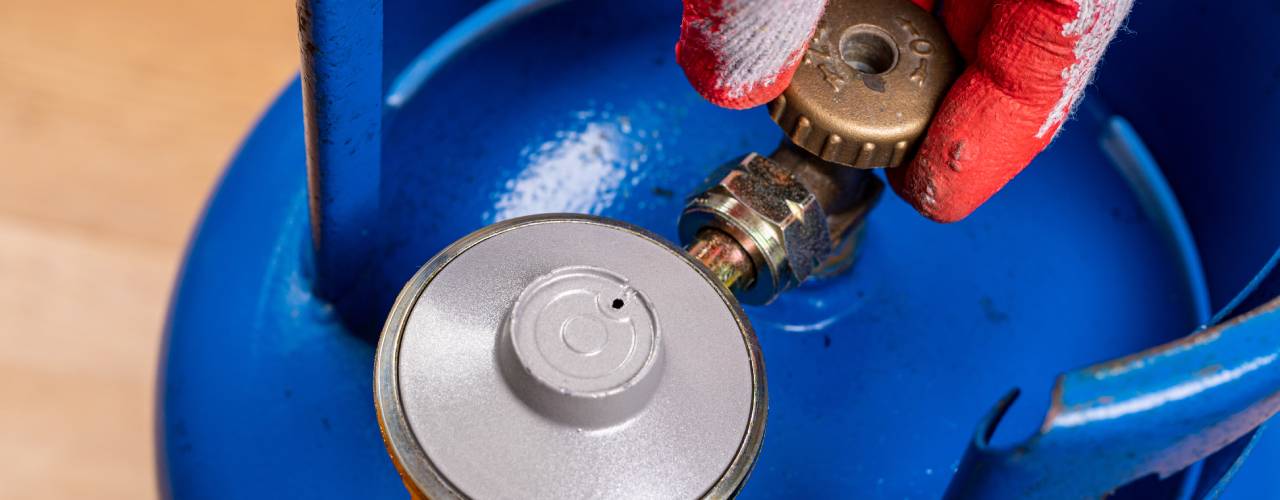

Calibration gas plays a big role in keeping gas detection equipment accurate and dependable. Whether you manage a small maintenance team or oversee safety across multiple job sites, the type of cylinder you choose can affect cost, storage, handling, and daily workflow. Disposable calibration gas offers clear advantages, but it also comes with a few disadvantages worth knowing before you buy.
Easy Handling
Disposable calibration gas cylinders appeal to teams that want a simple setup. Workers can carry smaller cylinders to different areas without much hassle, which helps when crews need to calibrate gas detectors in the field. The lightweight design also helps technicians move quickly between buildings, confined spaces, or remote work zones.
Many disposable cylinders also work well for teams that don’t use calibration gas every day. Instead of managing larger cylinders, rentals, or return schedules, a crew can keep the right gas blend on hand and use it when needed.
Lower Upfront Cost
Disposable cylinders often cost less upfront than refillable options. That can help smaller businesses, contractors, and facilities with limited calibration needs. A company can buy the cylinder, use the gas, and replace it when it runs out.
This setup also reduces some administrative work. Teams don’t need to track cylinder returns or manage refill appointments. When comparing disposable vs refillable calibration cylinders, many buyers like the simpler purchasing process that disposable options provide.
Storage Benefits
Disposable cylinders usually take up less space than larger refillable cylinders. That helps facilities with tight storage rooms, crowded maintenance areas, or mobile service vehicles. Crews can keep multiple gas types organized without dedicating a large area to cylinder storage.
Smaller cylinders also help teams avoid overbuying. Calibration gas has a shelf life, so buying more than you need can waste money. Disposable cylinders give occasional users a practical way to match supply with demand.
Waste Concerns
The biggest drawback comes after the cylinder runs empty. Disposable cylinders create more waste than refillable ones. Some teams can recycle empty cylinders, but local rules and supplier programs vary. A company should check disposal requirements before stocking up.
This concern grows when a facility calibrates equipment often. High-use teams may go through many disposable cylinders in a short time, which can increase waste and create more inventory work.
Long-Term Cost
Disposable cylinders can cost more over time for frequent users. A team that calibrates several gas detectors every week may spend less on refillable cylinders, even if the upfront cost runs higher. Refillable options can also support larger operations with steady gas demand.
Before choosing, review how often your team calibrates equipment, how many detectors you manage, and how much storage space you have. Those details will point you toward the better fit.
Smart Choice
Disposable calibration gas has its pros and cons, but it works best for teams that value convenience, portability, and lower upfront costs. It helps occasional users avoid complicated cylinder management and gives field crews a practical option for quick calibration tasks. Refillable cylinders may serve high-use teams better, especially when long-term cost and waste reduction carry more weight. The right choice depends on your workflow, budget, and calibration schedule.